The Steam Deck changed who I am
How the Steam Deck changed how I see life.

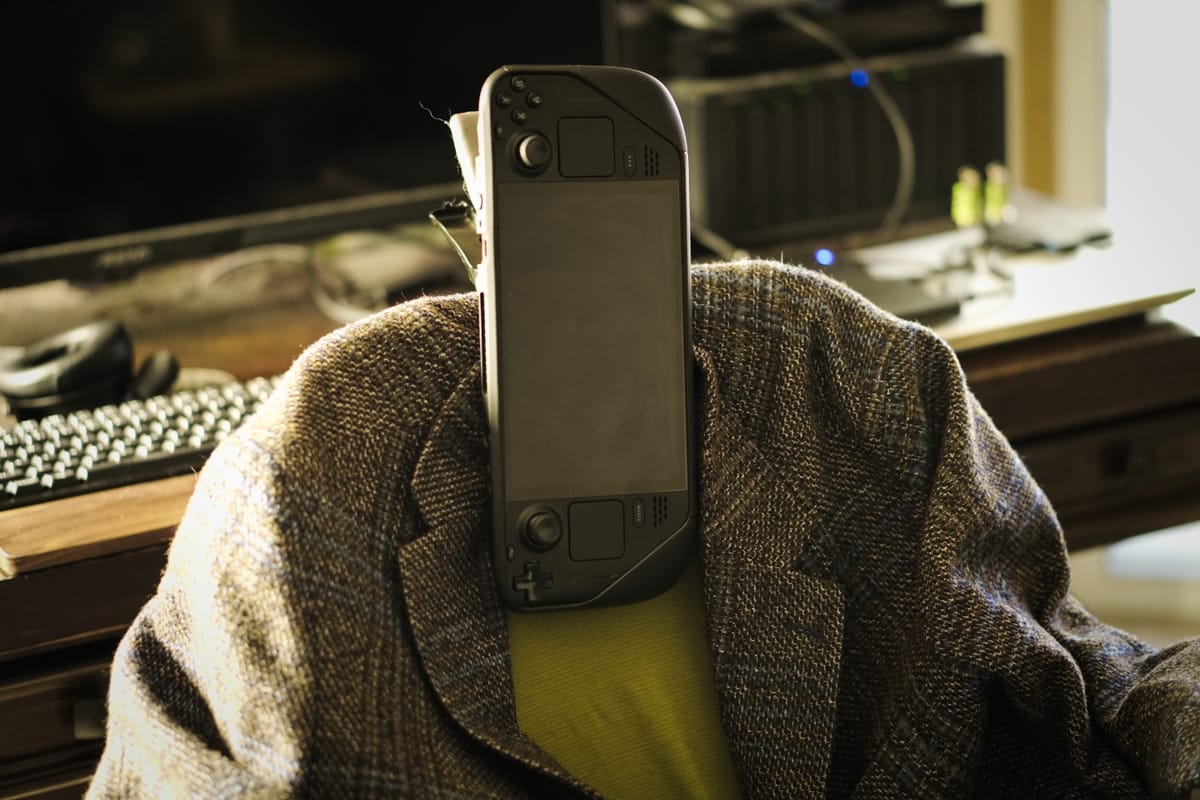
PC Master Race
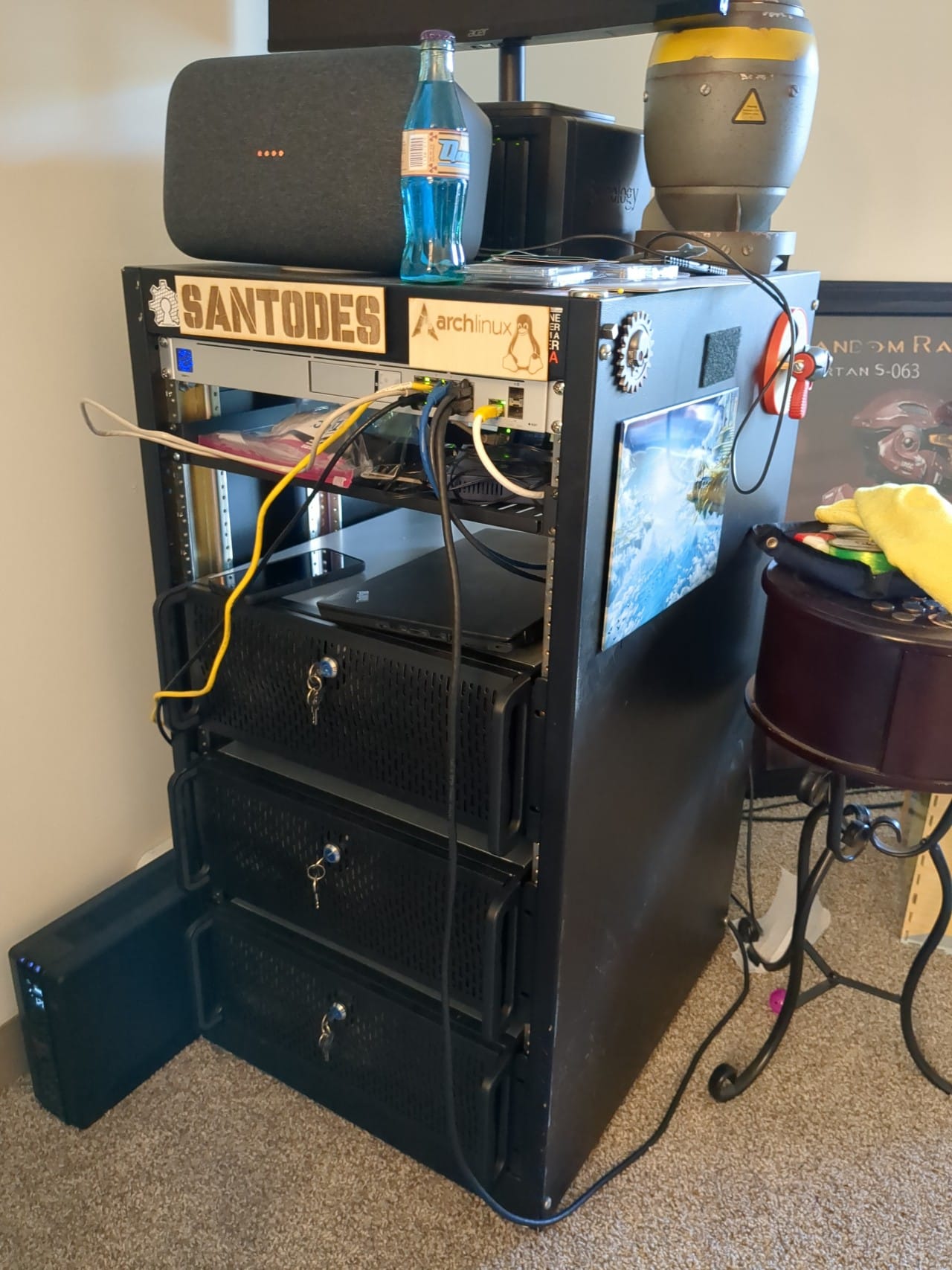
For many years, I subscribed to the philosophy of the "PC Master race", chasing after the highest performance compute hardware I could afford to run the highest fidelity, best graphics, big frame rates, and etc. The last desktop I built spared no expense. We're talking 2x RTX 3090's in SLI, an overclocked Ryzen 9 5950x, 128GB of ram, 20TB of storage, the best motherboard, etc. Throw in some audiophile headset equipment, a 43" 4K gaming monitor, and all in all it ended up costing more than my car. At the time, this made perfect sense to me. More power = better, and I stuffed as much power in as I could. Then I got a Steam Deck.
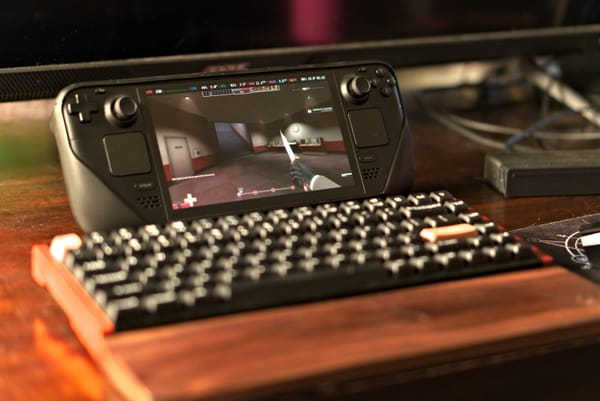
I placed my Steam Deck order within the first hour of Valve announcing the product, and the only reason it took that long was because I spent 45 minutes trying to get their site to load amidst the high traffic. I had been wanting a handheld like this ever since rumors of an "Xbox Portable" were circulating during the Xbox 360 era. The wait was long, the hype was insurmountable, and yet, I underestimated how impactful the device would be.
When I got the Steam Deck it was like magic. I had very low expectation for the hardware's performance. How could this dinky little device compete with my RTX 3090's? After all, it cost significantly less than what I spent on just my power supply alone. Then, the unexpected happened. Games just... worked. Every game I threw at it at the time, ran perfectly fine. I don't mean it was equivalent performance just on a smaller screen obviously, there were differences. For instance, I was worried about load times on the micro SD card. To my surprise though, I enjoyed everything I played. That's when something began to shift in my mind. I was playing on a smaller screen, lower frame rates, lower graphics settings, and having more fun. That's not how that was supposed to go, and an uncomfortable question began to form in my mind. If all that money and energy I put into maximizing my frames-per-second didn't make the games more fun, what was it all for?
Efficiency > Raw Power
This shift in perspective didn't stay confined to gaming either, it began to spread into other more general aspects of my life such as energy consumption, purpose, and waste generation. I'd like to have all my electric needs powered by a renewable energy source like solar someday. With my power needs at the time, that would've been incredibly expensive. As it turns out, solar is way easier to adopt when your power needs are lower. Which do you think is easier to put on a solar panel, a 1600W PC that practically necessitates it's own power circuit, or a handheld sipping on 25W? Heck, that 43" gaming monitor along can pull 200W alone. This realization lead me down a whole rabbit hole of chasing efficiency and I got real into power and performance optimizations, squeezing every bit of performance out of the smallest power draw as I could. After all, if that extra 1575W wasn't translating into fun, it was essentially wasted. This was a new way of looking at compute hardware for me. As an engineer that loves to tinker, exploring this has been a near endless source of fun for me. As it turns out, bigger number does not actually always mean better... but if that wasn't true, then what was the cardinal direction pointing towards better? The best starting point I had at the time was considering the gaming experience as a whole, but this soon bled into non-gaming aspects of my life.
Goodbye big-tech

These ideas continue to spread into other parts of my life. It began to impact how I used technology, how I spent my time, and even how I thought about ownership. I had been mentally trapped behind a technological curtain thinking that was what mattered, but there's a whole world out there. So I found myself spending more time in one of my favorite places that I never made time for: nature. Exploring state parks and learning to identify plants, I found something I didn't know I had been missing: peace. These plants and critters didn't even know electricity existed, and neither did most of my ancestors. I began to realize that my mindless consumption of more and more power was contributing to the slow destruction of nature's beauty, and not necessarily contributing to my own happiness. I also noticed that there was something missing from these walks... ads.
Roaming through the forest I found my thoughts wandering aimlessly, and creativity began to flow through me. This is a phenomenon I've long been familiar with, and being in R&D for my day job, it's a trick I use at work to come up with new ideas. I began to think about this phenomenon itself a bit more though, and I came to realize that I was experiencing a taste of what I would later call "freedom-of-thought", and I wanted more. I became aware of the effects advertising had on me. If I visited a business downtown, it was normal and even expected to start getting advertisements for that business because Google knew I had been there. Out in the woods though, it was just me and my thoughts, and I liked that. I liked that a lot. So, I set out to bring that mental clarity into my day-to-day life even when I'm surrounded by modern technology.
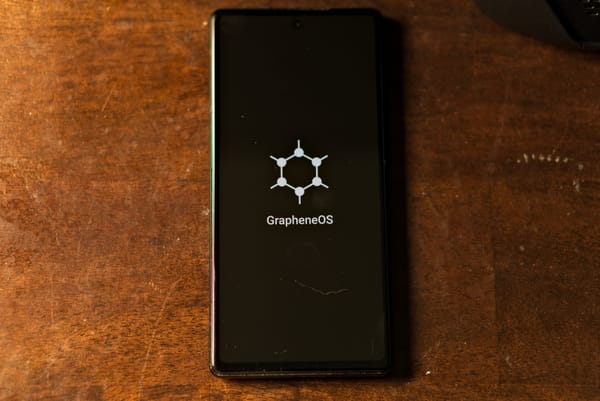
There's a subreddit called r/degoogle, and I was interested in exploring how distancing myself from big tech could help me reclaim some freedom from these ads, subtle manipulations, and freedom of thought in general. This is coming from someone who just a few years prior had been a Google fan boy, watching Google IO and has been running their smartphones since the Google Nexus era before Pixel. I stopped using my Google account, "dumbed down" my phone, and switched to other self-hosted features or 3rd party privacy focused platforms like Tuta/Proton to retain some of the same functionality... and it worked. Space in my mind began to free up. Checking my email was no longer a flash-flood of information mostly consisting of ads I would subconsciously ignore, it was just one or two unread messages that I was actually interested in. It was like I had just done spring cleaning in my mind and had a ended up with a bunch of space to let my thoughts roam free. As my mental space cleared up, I began to look around me and notice that my physical space had also become quite cluttered.
Minimalism
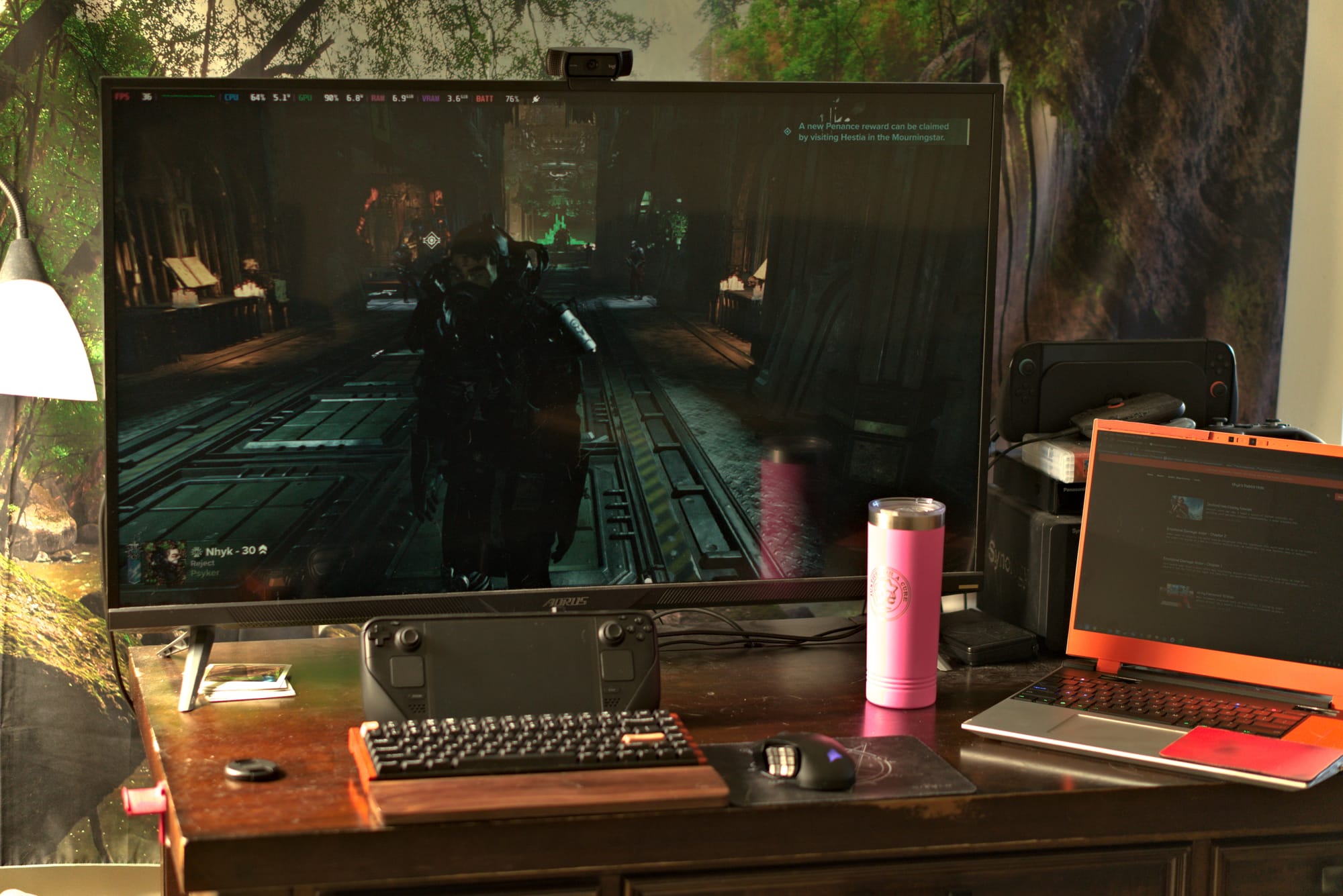
Having spent my whole life in a materialistic culture, I found myself surrounded by... things, and I began to wonder if this was the way. It turns out, I wasn't the only one to realize the a cluttered and materialistic lifestyle might not be the best path for me. I was late to the train, but in doing so I was able to stumble across a plethora of content from the last decade around the concept of minimalism. I began to realize many of the things I had surrounded myself with didn't matter and didn't actually bring me any happiness, I also became aware of the fact that they were actually draining on me and my energy, making me less happy. Items needed to be organized, put away, cleaned, and simply by having them I had to make meaningless decisions all the time every day. What outfit should I wear today, what gaming device do I want to play on, what shelf should I put this on, etc. All small, seemingly innocent decisions, but I began to realize that throughout the course of a day, many days, or a lifetime, these decisions add up to a phenomenon known as decision fatigue.
So, I started getting rid of things. I threw out several trash bags full of random junk, donated even more to a local thrift store, gave away useful things to my neighbors, and sold some others. It was kind of scary at first, as any semi-drastic lifestyle change likely is. Fortunately, this effort had the exact impact I was looking for: my physical space had become less cluttered and even more mental space was being freed up in my mind, a concept that I couldn't possibly have understood prior to experiencing it. As I freed up space, it became easier to identify what items were extra and unnecessary, and it became easier to keep a space clean and uncluttered. I had a new path forwards in optimizing my life and working towards happiness... then I hit a bump in the road. I realized I had at least 3 gaming PC's, and that this number was not in alignment with my idea of a minimalist lifestyle.
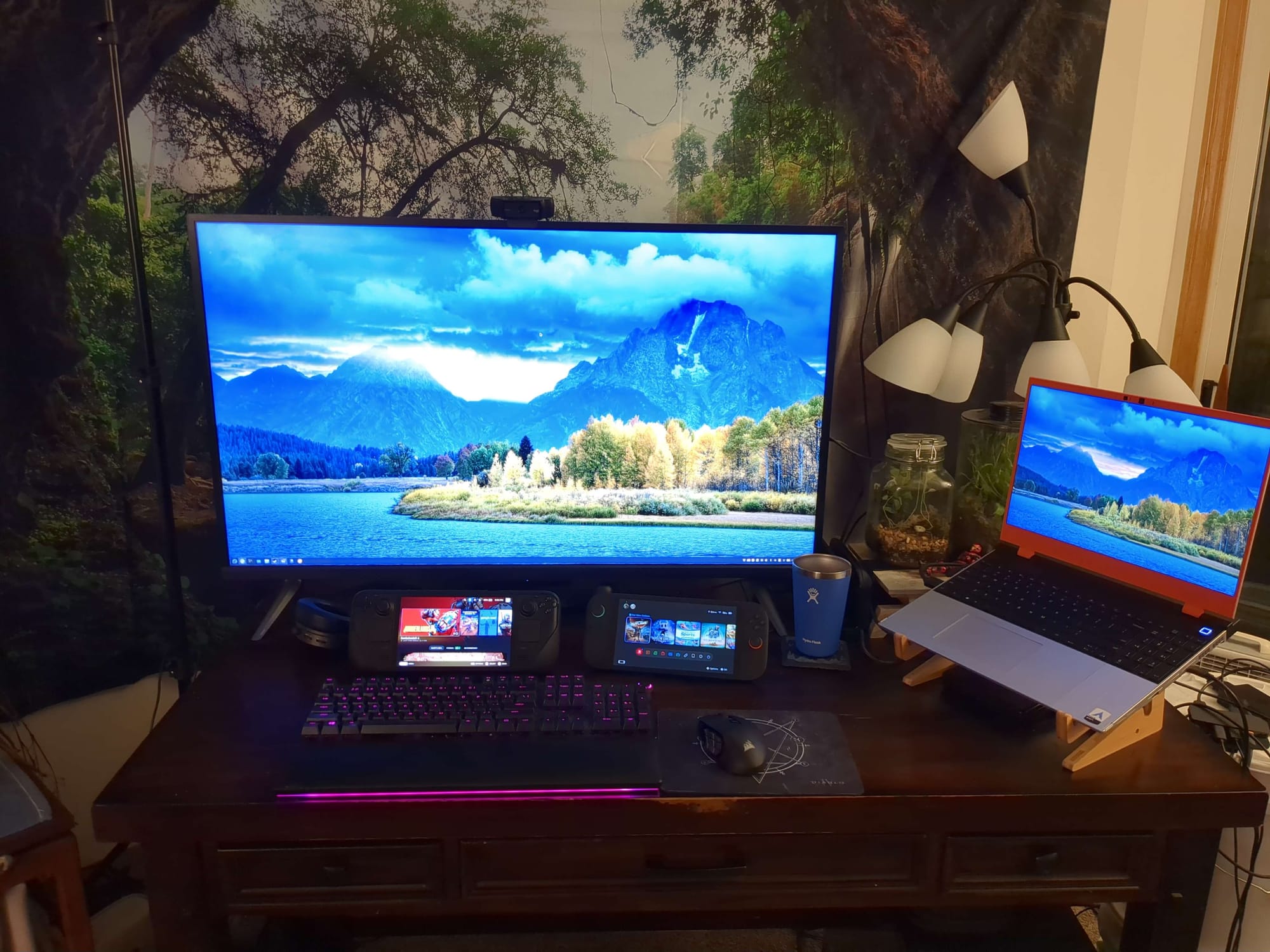
I had my beastly desktop, a gaming capable Framework 16 laptop, and my Steam Deck, not to mention the old PS4, Xbox 360, and both a Nintendo Switch 1 and 2. Having now reduced the amount of decisions I have to make a day, and setting a path on a minimalist's journey, the decision of which device to play on became a point of great contention for me. It's not a life or death question, obviously, but it did become deeply philosophically troubling for me. Which device should I play on, what one was the correct choice and was in line with my new set of values, which was the "best" way to game? Clearly minimalism would dictate that I didn't need the desktop, and if I didn't have it at all I would be perfectly happy with the performance of the devices I did have. But I did have the desktop, so I might as well use it, right? But then, why did I opt into making my laptop gaming-capably by getting the dGPU upgrade?
If you asked my fiance about my relationship with technology around this time, she'd groan and roll her eyes saying "oh no, not this again". I wasn't going to get rid of my Steam Deck, because I love that thing and it's my portable gaming killer, and I also definitely wasn't going to get rid of my laptop because that's where I prefer to all of my productivity tasks (like writing this blog) because I like to move around when working, but the desktop was... I didn't know. It didn't have a unique value prop, other than it was really fast, and expensive. Honestly though, my laptop is fast enough for me, and I'd already established that more performance on it's own isn't the answer to a happy life. So what was my desktop contributing to my gaming experience that the other devices couldn't? I spent a lot of time thinking about this, experimenting with different use cases, and after much effort I got my answer: nothing.
As of the time of writing I still have the desktop, but it's unplugged and sitting in the other room. If I didn't find places like eBay and Facebook Marketplace so annoying to sell on, it'd likely have been sold by now, but instead I've yet to list it. That desktop was the culmination of my values system: more performance, more power leads to more better. That's not how I see the world anymore though. I enjoy playing the same games on a fraction of the power draw knowing that I'm being more efficient by doing so, minimizing my negative impact on the ecosystem that I've grown to love and care about. Having also cleared up mental space, I'm also more present for the people around me and in my life, and I spend my time more intentionally than I had before. The Steam Deck did more than finally let me play Halo on the go, it taught me that there's a world outside to be going to, people to see it with, and that we're all a part of it.
![[Archive] Halo Cosplay Tutorials](/content/images/size/w600/2026/03/DSC_0013B-4.jpg)